
Why You Should Ditch Traditional KPI Dashboards
November 4, 2026
The Downside of Traditional KPI Dashboards
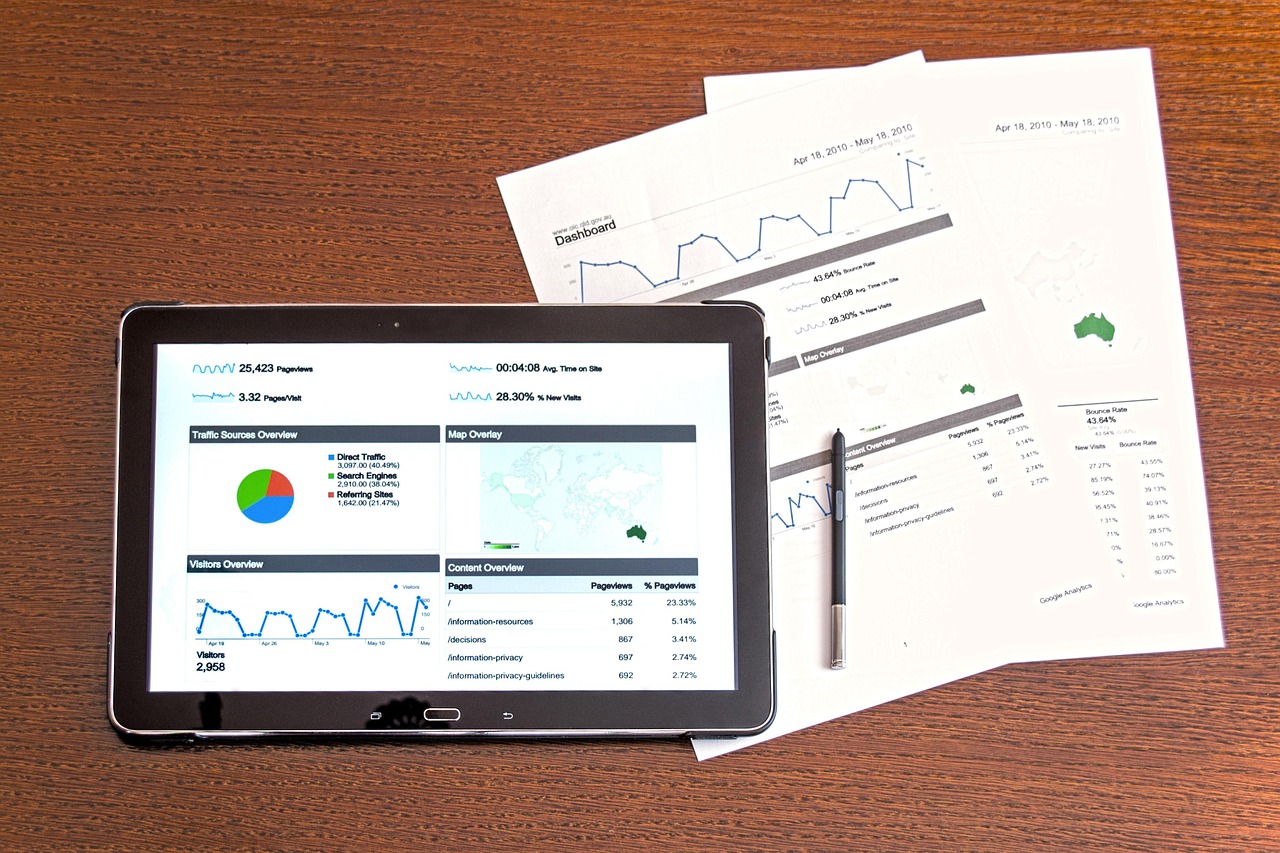
For many founders and operators running lean teams, a typical KPI dashboard may seem like the best way to monitor performance. However, the traditional approach can often be more of a hindrance than a help. These dashboards are usually packed with metrics that can overwhelm teams, not to mention the potential for misalignment with actual business goals.
Misleading Sense of Control
Traditional dashboards create a facade of control. While they might seem like they give you a comprehensive view of your operations, they often distract from the underlying issues that truly affect performance. These dashboards measure metrics for the sake of measurement, rather than focusing on actionable insights.
Overloading on Data
More data doesn't always equate to better decision-making. In many cases, dashboards overwhelm team members with excessive metrics that dilute focus. This overload can lead to analysis paralysis, where critical decisions are delayed because the team is bogged down by unnecessary data.
Lack of Context
Dashboards that don't provide context can lead to misinterpretation. A spike in a metric could mean a variety of things, and without context, you may find yourself chasing shadows. For example, a sudden drop in productivity might reflect a strategic pause in operations, not inefficiency.
Reimagining KPIs for Lean Teams
Instead of relying on conventional KPI dashboards, consider these adaptive approaches:
Focus on Quality Over Quantity
Opt for a few critical metrics that align closely with your core business objectives. Adopt a less-is-more strategy by identifying 3-5 key indicators that truly reflect your business health and progress. This approach not only simplifies monitoring but ensures that your team focuses on what truly matters.
Implement Contextual Insights
Ensure that every metric is accompanied by qualitative context. Utilize narrative summaries alongside metrics to provide a clearer picture. For instance, include insights on why certain metrics have changed and what actions are being taken in response.
Encourage Dynamic Adjustments
Lean teams should benefit from flexibility. Allow your KPI set to evolve as your business needs change. This dynamic approach ensures that your metrics remain relevant and continue to drive meaningful outcomes.
Embrace Adaptive Dashboards
Adopt dashboards that allow customization and adaptability. These dashboards can integrate real-time data feeds and qualitative insights, offering a snapshot that is both comprehensive and nuanced. Tools that incorporate AI, like Badtool, can automate such adaptive features, making it easier to update and realign KPIs as necessary.
Daily Reports and AI Assistance
Daily or weekly reporting that focuses on core outcomes, rather than a broad suite of metrics, can be far more effective. AI solutions like Badtool facilitate the creation of these precise reports by automatically grading outputs and providing contextual feedback. This ensures that founders receive actionable insights delivered in a concise, digestible format each evening, ready for the next day's strategic planning.
Conclusion
Rethinking traditional KPI dashboards by adopting more adaptive and context-driven approaches will help your lean team stay agile, focused, and efficient. By leveraging tools that support dynamic adjustments and offer contextual insights, you can ensure that your team spends less time deciphering data and more time achieving real results.